
August 28, 2024
Discover how modern infrastructure services improve performance, cut costs, and future-proof your business with reliable, secure, and scalable technology foundations.
Share this article
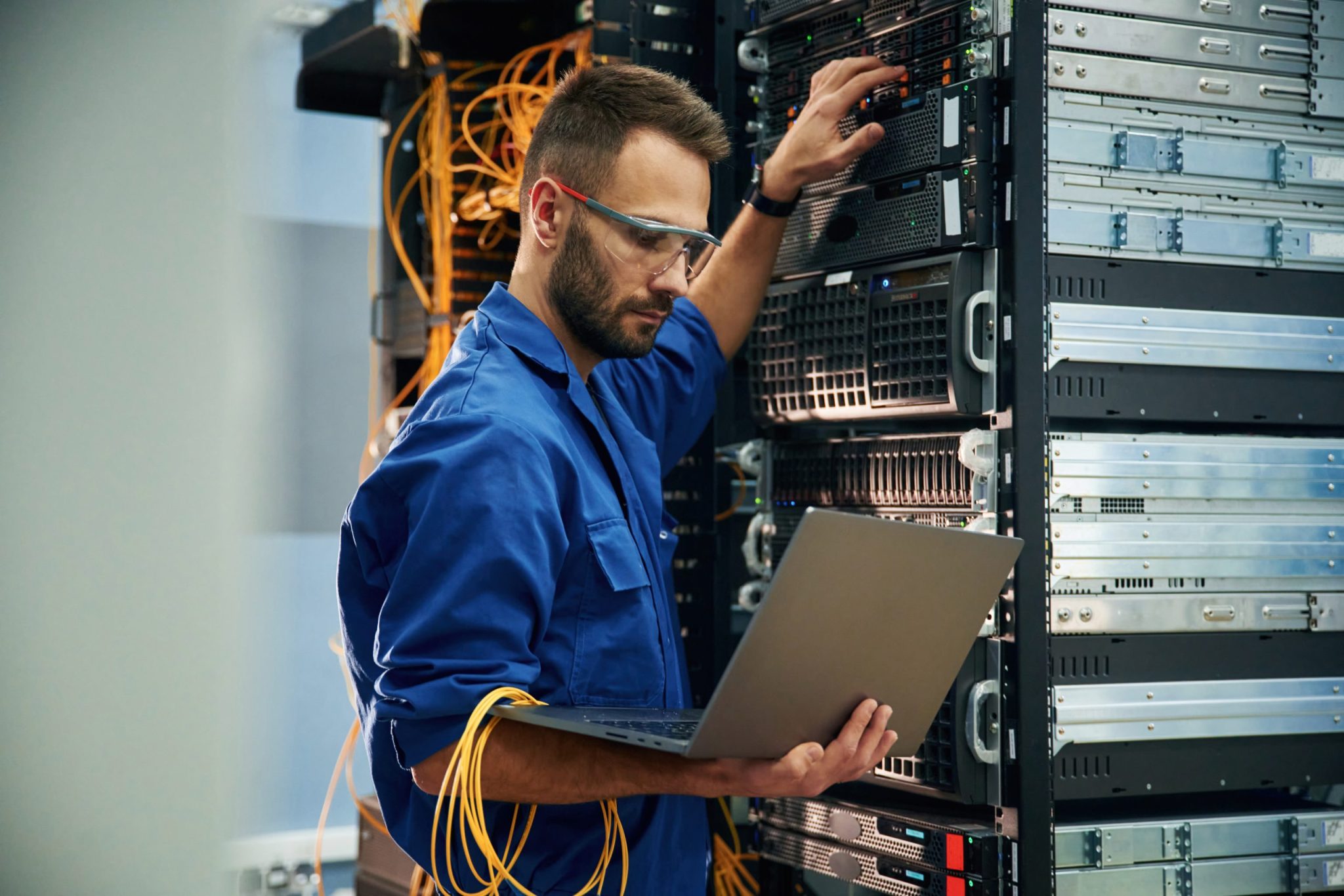
IT infrastructure services are the backbone of any successful business operation. These services encompass a wide range of solutions that ensure your business’s technology framework is robust, efficient, and secure. From hardware and software to networks and data centers, IT infrastructure services play a crucial role in supporting your business’s daily functions and long-term goals.
Table of Contents
Hide
- 1. What are IT Infrastructure Services?
- 2. Types of IT Infrastructure Services
- 3. Benefits of IT Infrastructure Services
- 4. Key Components of IT Infrastructure Services
- 5. IT Infrastructure Management
- 6. Best Practices for IT Infrastructure Management
- 7. How a Managed Service Provider Can Help
- 8. Conclusion
- 9. Related Articles
What are IT Infrastructure Services?
IT infrastructure services refer to the comprehensive suite of services that manage and maintain the foundational technology components of an organization. These services include the provision, management, and support of hardware, software, network resources, and services required for the existence, operation, and management of an enterprise IT environment.
Importance of IT Infrastructure Services
Having a well-structured IT infrastructure is essential for several reasons:
- Efficiency and Productivity: Streamlines operations and enhances employee productivity.
- Scalability: Supports business growth and adapts to new challenges.
- Security: Protects data and mitigates risks of cyber threats.
- Cost Management: Optimizes resources and reduces unnecessary expenses.
By understanding the significance of IT infrastructure services, businesses can make informed decisions to enhance their operational efficiency, security, and scalability. As we delve deeper into this guide, we will explore the diverse types of IT infrastructure services, their benefits, key components, best practices, and how a Managed Service Provider (MSP) can be a valuable partner in managing these critical services.
Types of IT Infrastructure Services
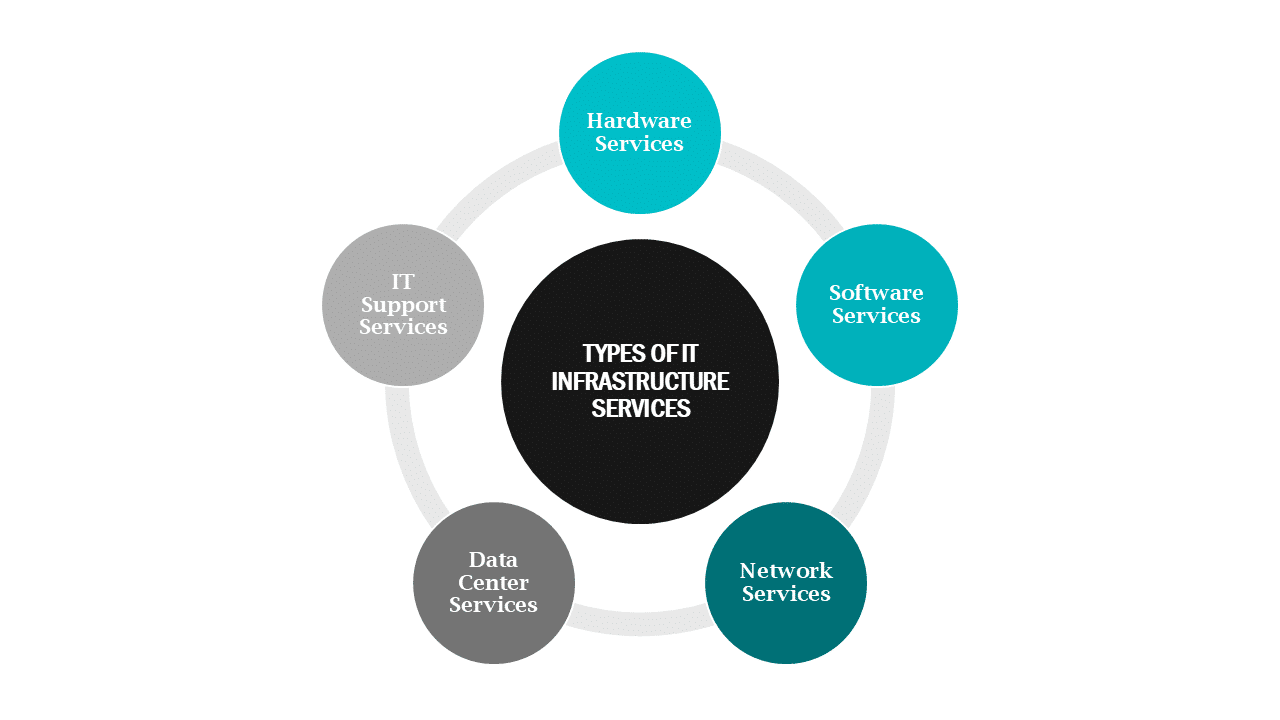
Understanding the distinct types of IT infrastructure services is key to selecting the right solutions for your business needs. These services can be broadly categorized into hardware services, software services, network services, data center services, and IT support services.
Hardware Services
Servers: Servers are centralized resources that store, process, and manage data for various applications within a business. They are crucial for running enterprise applications, managing data, and ensuring that users can access necessary resources.
Storage Solutions: Efficient storage solutions are essential for managing the vast amounts of data generated by modern businesses. This includes traditional on-premises storage, network-attached storage (NAS), and storage area networks (SANs), as well as more modern cloud-based storage solutions.
Networking Equipment: Networking equipment such as routers, switches, and firewalls are fundamental for ensuring seamless communication and data transfer within an organization. These devices help in creating a robust network infrastructure that supports business operations and connectivity.
Software Services
Operating Systems: Operating systems manage hardware resources and support applications and services. Examples include Windows Server, Linux server distributions, and operating systems used on employee workstations and business devices. The appropriate platform depends on application requirements, security, compatibility, and ongoing support needs.
Enterprise Applications: These are business-specific software solutions that support various organizational functions. Examples include Customer Relationship Management (CRM) systems, Enterprise Resource Planning (ERP) systems, and Human Resource Management (HRM) systems. These applications help streamline processes and improve efficiency across departments.
Network Services
LAN/WAN Services: Local Area Network (LAN) and Wide Area Network (WAN) services are essential for ensuring that various parts of a business can communicate effectively. LANs connect computers within a limited area such as an office building, while WANs connect larger geographic areas, including different cities or countries.
Wireless Solutions: Wireless networks provide flexibility for employees to connect to the business network without the constraints of physical cables. This is increasingly important in today’s mobile and flexible work environments.
Security Solutions: Network security solutions, including firewalls, Virtual Private Networks (VPNs), and intrusion detection systems, are crucial for protecting an organization’s data and ensuring secure communications across the net
Data Center Services
Colocation Services: Colocation services involve renting physical space, power, cooling, and security in a data center for your servers and other hardware. This allows businesses to leverage advanced data center facilities without the capital investment required to build and maintain their own.
Cloud Services: Cloud services offer virtualized resources that provide scalability and flexibility. This includes Infrastructure as a Service (IaaS), Platform as a Service (PaaS), and Software as a Service (SaaS). Cloud solutions enable businesses to scale resources up or down based on demand and access services from anywhere with an internet connection.
IT Support Services
Help Desk Support: Help desk services assist employees with technical issues involving devices, applications, connectivity, and access. Support may include remote troubleshooting and onsite assistance when needed. Coverage hours, response targets, and escalation procedures should be clearly defined in the service agreement.
Maintenance and Monitoring: Regular maintenance and monitoring are essential for ensuring that IT systems operate smoothly and efficiently. This includes applying updates, patching security vulnerabilities, and monitoring system performance to detect and resolve issues before they impact business operations.

Benefits of IT Infrastructure Services
Investing in IT infrastructure services provides numerous benefits to modern businesses. From enhancing performance to ensuring security and compliance, these services are essential for maintaining a competitive edge in today’s fast-paced business environment.
Enhanced Performance and Efficiency
By optimizing your IT infrastructure, you can significantly improve the performance and efficiency of your business operations. This leads to faster processing times, reduced downtime, and better overall productivity. Well-managed IT infrastructure services ensure that your systems and applications run smoothly, minimizing disruptions, and enabling employees to focus on their core tasks.
Improved Security and Compliance
Well-managed IT infrastructure supports stronger cybersecurity through appropriate access controls, secure configurations, monitoring, and regular maintenance. For regulated organizations, these safeguards can also support compliance readiness by helping address technical requirements, document security practices, and identify risks that need further attention.
Cost Savings
Effective IT infrastructure management can lead to substantial cost savings by reducing the need for expensive hardware, minimizing downtime, and optimizing resource allocation. By leveraging cloud services and virtualization, businesses can avoid the expensive costs associated with purchasing and maintaining physical hardware. Additionally, proactive maintenance and monitoring help prevent costly outages and repairs.
Scalability and Flexibility
Modern IT infrastructure services offer scalable solutions that can grow with your business. Whether you need to add new users, increase storage, or expand your network, these services provide the flexibility to adapt to changing needs. Cloud-based solutions allow businesses to scale resources up or down based on demand, ensuring that you only pay for what you use.
Business Continuity and Disaster Recovery
Reliable IT infrastructure plays an important role in business continuity and disaster recovery. Protected backups, documented recovery priorities, redundant systems where appropriate, and tested restoration procedures can help organizations reduce disruption and recover critical operations after an incident. Recovery capabilities should be aligned with business requirements and regularly evaluated.
Competitive Advantage
By leveraging advanced IT infrastructure services, businesses can gain a competitive advantage in their industry. Enhanced performance, improved security, and the ability to quickly adapt to market changes enable companies to stay ahead of competitors. Additionally, modern IT solutions can support innovative business models and improve customer experiences, further strengthening your market position.
Streamlined IT Operations
IT infrastructure services help streamline IT operations by providing comprehensive management and support for all technology components. This reduces the complexity of managing multiple systems and allows IT staff to focus on strategic initiatives rather than day-to-day maintenance tasks. Streamlined operations lead to more efficient use of resources and better alignment with business goals.
Key Components of IT Infrastructure Services
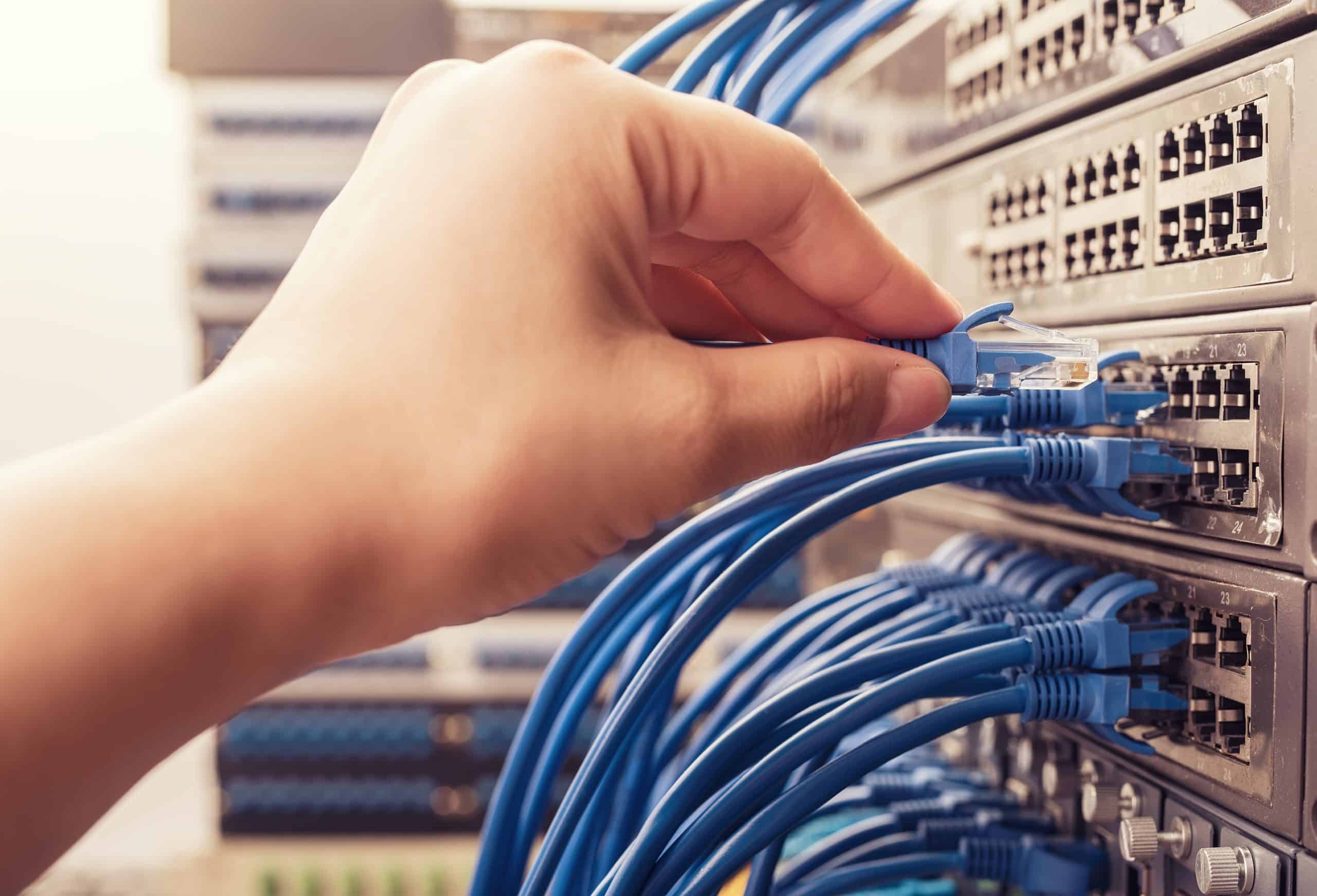
A robust IT infrastructure comprises several critical components, each playing a pivotal role in ensuring the seamless operation of business processes. These components work together to support your organization’s IT needs, providing a stable, secure, and efficient environment.
Servers and Storage
Servers: Servers are the heart of any IT infrastructure. They host applications, manage data, and enable various business functions. Depending on your needs, servers can be on-premises, virtual, or cloud-based. Each type offers different benefits in terms of control, scalability, and cost-efficiency.
Storage Solutions: Storage solutions are essential for managing the vast amounts of data generated by businesses today. This includes primary storage for active data, backup solutions for data protection, and archival storage for long-term data retention. Technologies such as NAS, SAN, and cloud storage offer diverse options to meet different storage requirements.
Networking
Networking Equipment: Networking equipment, including routers, switches, and firewalls, ensures that data can move smoothly and securely within and outside your organization. A well-designed network infrastructure supports efficient communication, data transfer, and resource sharing across all departments.
LAN/WAN Services: Local Area Networks (LANs) connect devices within a specific area, such as an office, while Wide Area Networks (WANs) link geographically dispersed locations. These services are critical for enabling collaboration and data access across your business locations.
Wireless Solutions: Wireless networks provide the flexibility for employees to connect to the business network without being tethered by cables. This is increasingly important for supporting mobile devices and remote work scenarios.
Data Centers and Cloud Solutions
Data Centers: Data centers are facilities that house critical IT infrastructure components, including servers, storage, and networking equipment. They provide the necessary power, cooling, and security to ensure that these components operate reliably. Businesses can use their own data centers or leverage colocation services to reduce capital expenditures.
Cloud Solutions: Cloud services offer virtualized resources over the internet, providing flexibility, scalability, and cost savings. Options include:
- Infrastructure as a Service (IaaS): Provides virtualized computing resources over the internet.
- Platform as a Service (PaaS): Offers hardware and software tools over the internet, typically for application development.
- Software as a Service (SaaS): Delivers software applications over the internet, on a subscription basis.
Security Solutions
Firewalls: Firewalls act as the first line of defense, controlling incoming and outgoing network traffic based on predetermined security rules. They help prevent unauthorized access to your network.
Intrusion Detection and Prevention Systems (IDPS): These systems monitor network traffic for suspicious activity and prevent potential threats.
Encryption: Encryption ensures that data is protected by converting it into a secure format that can only be read by authorized users. This is essential for protecting sensitive information both in transit and at rest.
VPNs: Virtual Private Networks (VPNs) provide secure connections over the internet, allowing remote employees to access the company network safely.
IT Support Services
Help Desk Support: Help desk support services help users with IT issues. This includes troubleshooting problems, answering questions, and providing solutions to ensure minimal disruption to business operations.
Maintenance and Monitoring: Regular maintenance and proactive monitoring are essential for keeping IT systems running smoothly. This includes applying software updates, patching vulnerabilities, and monitoring system performance to identify and resolve issues before they impact business operations.

IT Infrastructure Management
Effective IT infrastructure management ensures that all components of your IT infrastructure work together seamlessly. This involves overseeing hardware, software, networks, and data centers to optimize performance, enhance security, and support the business’s strategic objectives.
Proper management includes regular maintenance, monitoring, and updates to prevent issues and ensure optimal performance.
Importance of Effective Management
Operational Efficiency: Well-managed IT infrastructure ensures that all systems run smoothly, minimizing downtime and interruptions. This leads to higher productivity and better resource utilization.
Cost Control: By proactively managing IT assets, businesses can avoid unexpected costs associated with system failures, emergency repairs, and inefficient resource usage. Regular maintenance and monitoring help identify and address potential issues before they become costly problems.
Security and Compliance: Effective infrastructure management includes maintaining appropriate security controls, monitoring for potential risks, and supporting the technical safeguards and documentation relevant to applicable compliance requirements.
Scalability: A well-managed infrastructure can easily adapt to changing business needs. Whether expanding operations, integrating innovative technologies, or responding to market changes, scalable infrastructure management ensures that the IT environment can grow with the business.
Best Practices for IT Infrastructure Management
Implementing best practices in IT infrastructure management can significantly enhance the performance, security, and reliability of your systems. Here are some key practices to consider.
Regular Assessments
Conducting regular IT infrastructure assessments helps identify areas for improvement and ensures that your systems are current. Assessments should cover all components, including hardware, software, networks, and security measures. This proactive approach helps in planning upgrades and mitigating potential risks.
Proactive Monitoring
Implementing proactive monitoring allows for the early detection of issues before they impact business operations. By continuously monitoring system performance, network traffic, and security events, businesses can identify and resolve problems quickly. Automated monitoring tools can alert IT staff to potential issues, enabling timely intervention.
Disaster Recovery Planning
A comprehensive disaster recovery plan is essential for ensuring business continuity in case of a major IT failure. This includes regular backups of critical data, establishing recovery time objectives (RTOs) and recovery point objectives (RPOs), and testing recovery procedures. A well-defined disaster recovery plan minimizes downtime and data loss during unexpected events.
Scalability Planning
To support future growth, it is important to ensure that your infrastructure can scale. This involves regular reviews of your IT strategy and capacity planning to accommodate increased workloads, new applications, and additional users. Leveraging cloud services can provide the flexibility to scale resources up or down based on demand.
Change Management
Implementing a change management process helps in managing updates, patches, and configuration changes systematically. This ensures that changes are tested and documented, reducing the risk of unintended disruptions, and maintaining system stability.
Security Management
Regularly updating security protocols, conducting vulnerability assessments, and ensuring compliance with industry standards are critical for protecting your IT infrastructure. Implementing multi-layered security measures, including firewalls, encryption, and intrusion detection systems, enhances the overall security posture.
Vendor Management
Managing relationships with IT vendors and service providers is essential for ensuring the timely delivery of services and support. This includes negotiating contracts, monitoring service levels, and ensuring that vendors meet their obligations.
Tools and Technologies for IT Infrastructure Management
Effective IT infrastructure management combines monitoring, maintenance, security, backup, and documentation tools that support the organization's operational requirements.
Key capabilities include:
-
Remote Monitoring and Management: Monitor covered devices and infrastructure, identify emerging issues, coordinate updates, and support proactive maintenance.
-
Network Management: Maintain visibility into network performance, connectivity, device configurations, and potential security concerns.
-
Cybersecurity Monitoring: Use layered endpoint protection, identity safeguards, and managed detection and response to identify and investigate suspicious activity.
-
Backup and Recovery: Protect critical data, monitor backup health, document recovery objectives, and test restoration procedures.
-
Documentation and Asset Management: Maintain system inventories, configurations, vendor information, and technology lifecycle records.
The appropriate tools depend on business size, infrastructure complexity, security requirements, and the agreed management responsibilities.
How a Managed Service Provider Can Help
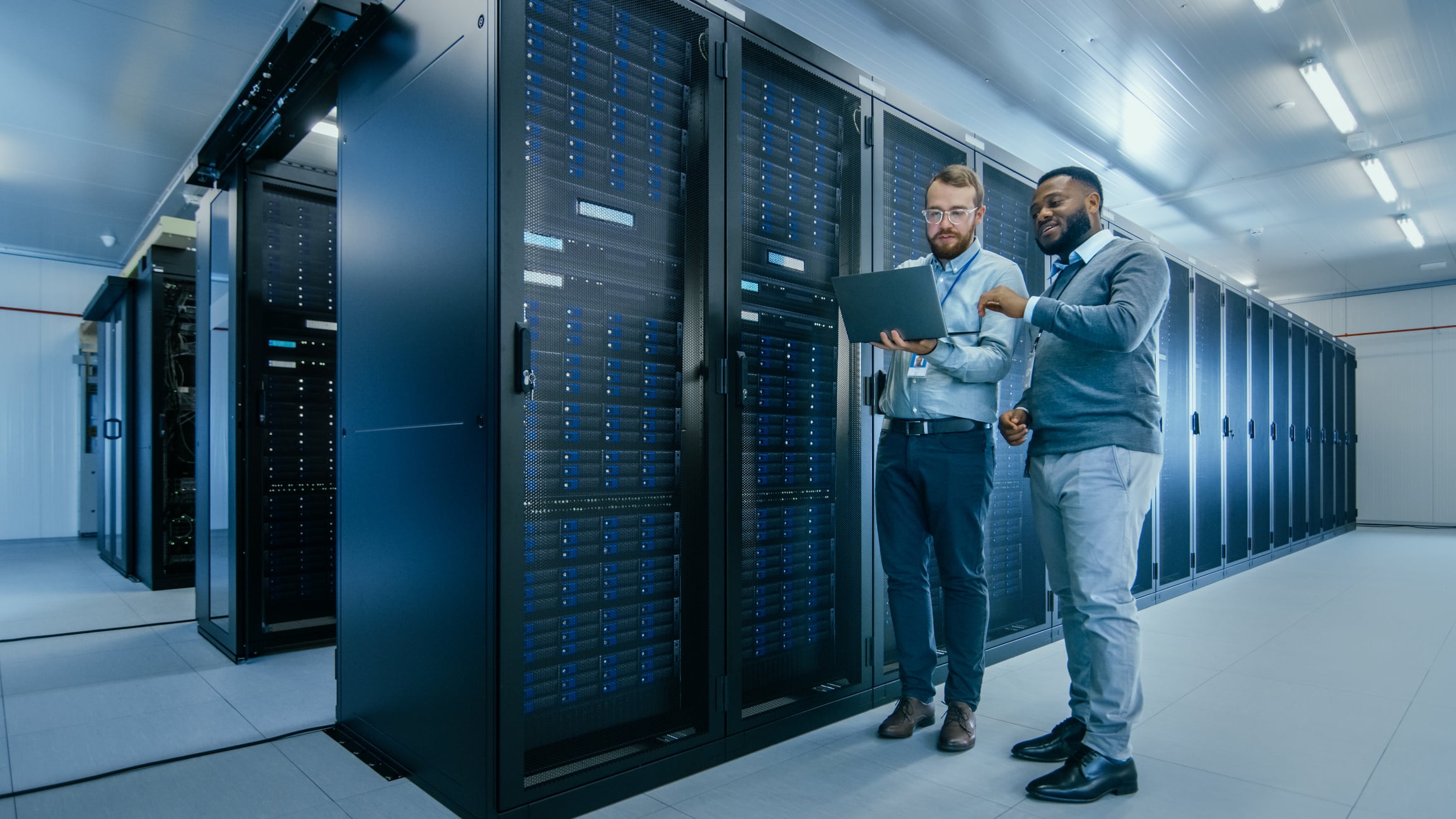
Partnering with a Managed Service Provider can significantly enhance your IT infrastructure management. MSPs offer a range of services designed to optimize performance, improve security, and reduce costs, allowing businesses to focus on their core operations. Here is how an MSP can be a valuable partner in managing your IT infrastructure.
Expert Support
Access to Specialized Expertise: MSPs provide access to a team of IT experts with specialized skills and knowledge. This ensures that your IT infrastructure is managed by professionals who are current with the latest technologies and best practices.
Defined Support and Security Coverage: Managed IT providers establish support hours, response targets, and escalation procedures based on the client's service requirements. Covered managed security services may include 24/7 threat monitoring and response, while end-user help desk coverage is defined separately in the service agreement.
Proactive Consultation: MSPs often provide strategic consultation services, helping businesses align their IT infrastructure with their long-term goals. This includes advising on technology investments, capacity planning, and scalability.
Proactive Maintenance and Monitoring
Continuous Monitoring: MSPs use advanced monitoring tools to continuously track the performance of your IT infrastructure. This proactive approach allows them to detect and resolve issues before they escalate, ensuring optimal performance and reliability.
Regular Maintenance: MSPs handle routine maintenance tasks such as software updates, patches, and hardware inspections. This ensures that your systems are always up-to-date and secure, reducing the risk of vulnerabilities and failures.
Automated Alerts: By leveraging automated monitoring solutions, MSPs can set up alerts for potential issues such as network bottlenecks, server overloads, or security breaches. This enables swift intervention to mitigate risks and maintain system integrity.
Cost-Effective Solutions
Reduced Operational Costs: By outsourcing IT infrastructure management to an MSP, businesses can reduce the costs associated with hiring and training in-house IT staff. MSPs offer flexible pricing models, allowing you to pay for only the services you need.
Predictable Budgeting: MSPs typically provide their services on a subscription basis, which makes budgeting for IT expenses more predictable. This helps businesses manage their finances better and avoid unexpected costs.
Optimized Resource Utilization: MSPs can help businesses optimize their IT resources, ensuring that they are used efficiently. This includes right-sizing cloud resources, optimizing storage, and managing network capacity to reduce wastage and lower costs.
Enhanced Security
Advanced Security Measures: MSPs implement robust security measures to protect your IT infrastructure from cyber threats. This includes firewalls, intrusion detection systems, encryption, and regular security assessments to identify and mitigate vulnerabilities.
Compliance Readiness: MSPs can help organizations implement technical safeguards, maintain documentation, identify security gaps, and support remediation efforts associated with applicable requirements. Overall compliance remains a shared organizational responsibility.
Incident Response and Recovery: MSPs can help organizations investigate security alerts, coordinate defined containment activities, support restoration, and work with specialized incident response resources when necessary. Response and recovery responsibilities depend on the service agreement, available capabilities, and nature of the incident.
Scalability and Flexibility
Scalable Solutions: MSPs offer scalable solutions that can grow with your business. Whether you need to add users, increase storage capacity, or expand your network, MSPs can quickly adjust resources to meet your changing needs.
Flexible Service Models: MSPs provide flexible service models, allowing businesses to choose the level of support they need. This can range from fully managed services to co-managed solutions where the MSP works alongside your internal IT team.
Cloud Integration: MSPs can help businesses leverage cloud services for greater flexibility and scalability. This includes migrating workloads to the cloud, managing hybrid environments, and optimizing cloud resources to ensure cost-efficiency and performance.
Focus on Core Business Functions
Operational Efficiency: By outsourcing IT infrastructure management to an MSP, businesses can focus on their core functions and strategic initiatives. This allows internal teams to concentrate on driving innovation and achieving business goals without being bogged down by IT maintenance tasks.
Strategic IT Alignment: MSPs work closely with businesses to align IT infrastructure with strategic objectives. This ensures that technology investments support business goals and provide a competitive edge in the market.
Conclusion
IT infrastructure services provide the foundation for reliable business technology. Networks, devices, applications, security controls, and supporting systems all require appropriate management to reduce operational risk and support everyday business needs.
Understanding these components helps organizations identify weaknesses, prioritize maintenance, plan improvements, and make more informed technology investments.
How thirtyone3 technology Can Help
thirtyone3 technology helps healthcare and behavioral health organizations, professional services firms, and independent financial and insurance businesses manage the technology they depend on.
Based in Peoria, Arizona, we provide managed IT services, infrastructure support, cybersecurity, recovery readiness, and strategic IT guidance throughout the West Valley and Phoenix Metro Area.
Our approach combines proactive management, documented responsibilities, security oversight, and practical planning to help organizations improve reliability and make technology decisions with greater confidence.
Whether you're evaluating your current IT infrastructure, addressing recurring technical issues, or planning improvements, thirtyone3 technology can help you determine the right next step.
Schedule a 30-Minute IT Fit Call to discuss your environment, business priorities, and whether our services are the right fit.