
February 29, 2024
When a cybersecurity breach strikes, speed matters. Learn actionable steps to contain threats, recover systems, and protect your business reputation before small incidents turn into costly crises.
Share this article

In today’s rapidly evolving digital landscape, cybersecurity has become an essential pillar of a business’ information technology (IT) strategy. As cyber threats grow more complex and sophisticated, the need for strong defense systems and proactive response strategies has transitioned from being optional to essential.
Cybersecurity incidents can create serious financial and operational consequences for businesses of any size. Ransomware, compromised credentials, phishing, and unauthorized access can interrupt operations, expose sensitive information, and damage customer trust.
For small and midsize businesses, the challenge is often responding quickly while maintaining essential operations. Without an established incident response plan, organizations may struggle to identify affected systems, contain threats, preserve evidence, and coordinate recovery.
A well-prepared response helps leadership make informed decisions, reduce unnecessary disruption, and manage the potential impact of a security incident.
So, what happens if your business falls victim to a cybersecurity breach? Do you have a plan in place to respond effectively?
Do you know what your legal obligations are or how to recover your data?
At thirtyone3 technology, we understand the evolving cyber threat environment and have provided a streamlined guide with clear, actionable steps to mitigate risks and maintain trust in the wake of a cybersecurity incident.
Table of Contents
Hide
Initial Response and Team Activation
Quick Containment and Assessment
The first moments following the discovery of a cybersecurity breach are critical. Swift and decisive actions can significantly limit the impact, helping to contain the breach and lay the groundwork for a structured recovery. Here is how your business should approach this initial phase:
-
Immediate Containment: Work with your IT or incident response team to isolate affected systems, restrict compromised accounts, and prevent suspicious activity from spreading. Avoid unnecessarily shutting down or resetting systems, as doing so could destroy evidence needed for investigation. Document the actions taken and coordinate containment decisions with qualified security professionals.
- Initial Assessment: Parallel to containment efforts, a rapid assessment should commence. This involves identifying the scope of the breach, the systems and data affected, and the potential impact on your business operations. Tools like intrusion detection systems and security information and event management (SIEM) solutions can provide invaluable insights during this phase. The goal is to gather enough information to understand the severity of the breach and to inform subsequent actions.
Assembling the Incident Response Team
The complexity of responding to a cybersecurity breach necessitates a coordinated effort from various parts of your organization. This is where the Incident Response Team (IRT) comes into play. Ideally, this team should be pre-established and include members with diverse expertise:
- IT and Security Personnel: These are the frontline defenders who understand the technical intricacies of the organization’s IT infrastructure. They are responsible for containment, eradication, and recovery efforts.
- Legal and Compliance Experts: These members ensure that the response adheres to legal obligations and industry regulations, particularly concerning data breach notifications and communications with regulatory bodies.
- Communications and PR Specialists: Effective communication is crucial in managing stakeholder perceptions and maintaining trust. This team crafts clear, transparent messaging for both internal and external communications.
- Human Resources (HR): HR plays a vital role in internal communication, especially if employee data is compromised or if the breach has HR implications.
- Executive Leadership: Top leadership involvement ensures that the response aligns with the broader organizational strategy and that critical decisions are made promptly.
By swiftly containing the breach and assembling a multidisciplinary response team, your business can lay a solid foundation for a structured and effective response. The subsequent steps, which we will delve into in the following sections, will guide your organization through the intricacies of navigating the aftermath of a cybersecurity incident.
Communication and Legal Compliance
In the wake of a cybersecurity breach, clear and strategic communication, coupled with a thorough understanding of legal obligations, is paramount. This section outlines the key considerations and steps for effective communication and compliance during a cybersecurity incident.
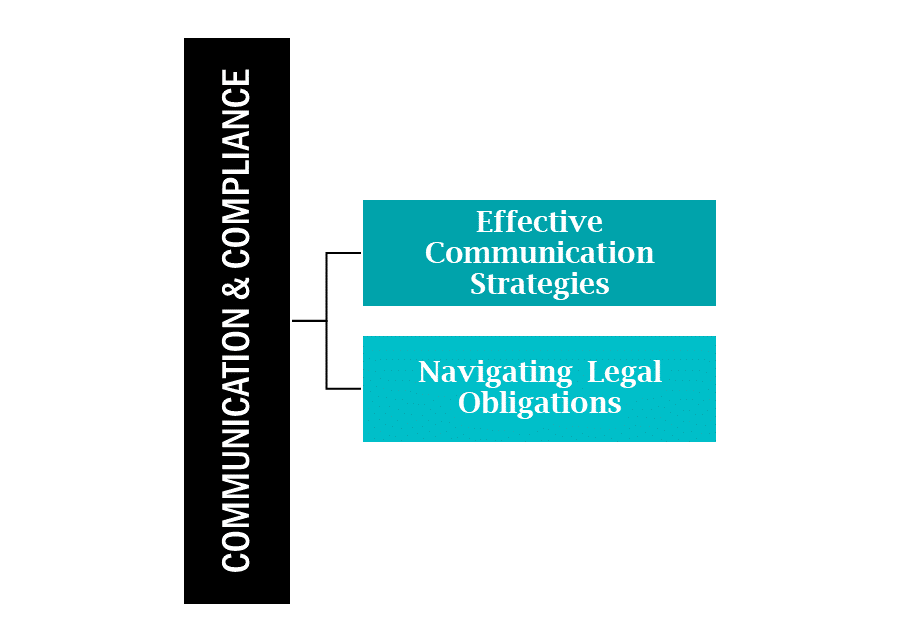
Effective Communication Strategies
Timely and transparent communication is crucial in managing a cybersecurity breach. It helps contain the breach and maintain stakeholder trust.
- Internal Communication:
- Immediate Notification: Ensure that all relevant internal stakeholders, including IT staff, management, and specific departments (like HR, clinical operations for healthcare, or finance if their data is impacted), are promptly informed about the breach.
- Regular Updates: Keep stakeholders updated on the progress of the breach response. Transparency within the organization fosters a collaborative environment for managing the crisis.
- External Communication:
- Customer Communication: If an incident may have exposed customer information, coordinate with legal counsel and incident response leadership to determine the appropriate notification requirements, timing, and content. Communicate confirmed information clearly, explain the actions being taken, and provide practical guidance to affected individuals when appropriate.
- Regulatory Notification: Many authorities require that regulatory bodies be informed of a breach within a specific timeframe. Ensure you understand these requirements and comply accordingly.
- Public Relations: Work with PR professionals to manage the narrative in the media. The goal is to be transparent and factual, avoiding speculation or technical jargon that might be misinterpreted or cause unnecessary panic.
Navigating Legal Obligations
Understanding and complying with legal requirements is not just about adherence to the law; it is also about protecting your organization from additional liabilities and maintaining your reputation.
- Understanding Compliance Requirements: Work with qualified legal and compliance professionals to determine which federal, state, industry-specific, and contractual notification requirements apply. Reporting deadlines and responsibilities depend on the type of incident, the information involved, and the organization's regulatory obligations.
For healthcare organizations, the HIPAA Breach Notification Rule establishes requirements for notifying affected individuals and appropriate authorities following a breach of unsecured protected health information. Organizations should evaluate these obligations promptly, document their decisions, and follow applicable notification timelines.
- Evidence Preservation: Preserve all logs, emails, and other forms of evidence that could be crucial for a forensic investigation or legal proceedings. Document every action taken from the moment the breach was discovered. This documentation can be vital for legal defenses, regulatory inquiries, or for improving breach response strategies in the future.
By implementing effective communication strategies and adhering to legal obligations, businesses can navigate the tumultuous period following a cybersecurity breach with greater assurance and control.
This approach not only aids in containing the breach and mitigating damages but also lays a foundation for recovery and rebuilding trust with stakeholders.
Investigation and Recovery
After establishing communication channels and ensuring compliance with legal obligations, the focus shifts to thoroughly investigating the breach and initiating the recovery process. This stage is critical for understanding the breach’s origins, scope, and for preventing future incidents.
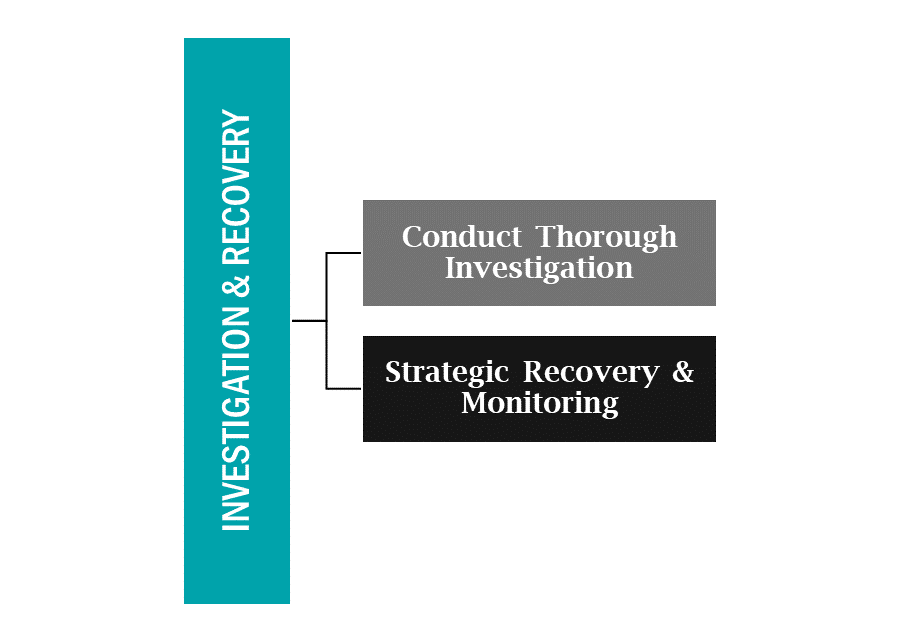
Conducting a Thorough Investigation
A meticulous investigation is crucial for uncovering the how, why, and what of the breach, providing insights that are vital for recovery and future prevention.
- Forensic Analysis:
- Engage cybersecurity experts to conduct a forensic analysis. This process involves examining affected systems, understanding the attack vectors, and identifying the data or assets compromised.
- Preserve all evidence in a manner that maintains its integrity, ensuring it can be used for legal purposes or for a deeper analysis to prevent future breaches.
- Identifying and Addressing Vulnerabilities:
- With the insights gained from the forensic analysis, identify the vulnerabilities that were exploited in the breach.
- Prioritize addressing these vulnerabilities to prevent similar incidents. This may involve patching software, changing policies, or improving security protocols.
Strategic Recovery and Monitoring
Recovery involves more than restoring systems and data. Organizations must understand how the incident occurred, address identified weaknesses, and verify that restored systems are functioning as intended. Ongoing security monitoring helps identify suspicious activity and potential signs of reinfection as normal operations resume.
- Developing a Recovery Plan:
- Based on the impact assessment, develop a recovery plan that prioritizes systems critical to business operations.
- Communicate the recovery plan to all stakeholders, ensuring that everyone understands their role in the process.
- Restoring Operations:
- Prioritize the restoration of critical business systems based on documented recovery objectives, operational needs, and available recovery resources.
- Validate backup integrity, address identified security weaknesses, and test restored systems before returning them to production. Continue monitoring for suspicious activity as operations resume.
- Ongoing Monitoring:
- Post-recovery, it is crucial to monitor the affected systems closely for any signs of disturbance or further breaches.
- Implement advanced monitoring tools and practices, such as anomaly detection systems and regular security audits, to ensure ongoing vigilance.
By conducting a comprehensive investigation and a structured recovery, your business can not only bounce back from the breach but also fortify your defenses against future threats. This proactive stance is key to maintaining resilience in an ever-evolving cybersecurity landscape.

Post-Breach Actions and Improvement
The aftermath of a cybersecurity breach offers a unique opportunity for reflection, learning, and improvement. Taking proactive steps after the incident can significantly enhance your organization’s security posture and stakeholder trust.
Learning and Adapting
A thorough review of the breach and the response efforts is essential for identifying strengths, weaknesses, and opportunities for improvement.
- Post-Incident Review:
- Conduct a comprehensive review involving all stakeholders. Discuss what worked well and what did not, focusing on both the technical response and the effectiveness of communication strategies.
- Analyze the root causes of the breach and assess the effectiveness of the measures taken to address the vulnerabilities.
- Updating Policies and Procedures:
- Use the insights gained from the review to update incident response plans, security policies, and other relevant procedures.
- Ensure that the lessons learned are incorporated into future strategies, making the organization more resilient against potential threats.
Commitment to Stakeholders
Maintaining open communication channels and demonstrating a commitment to improvement are crucial for rebuilding trust with stakeholders after a breach.
- Maintaining Transparency:
- Keep stakeholders informed about the steps taken to address the breach and the measures implemented to prevent future incidents.
- Be honest about the challenges faced and how the organization is working to overcome them.
- Building Trust through Action:
- Demonstrate a commitment to security and continuous improvement. This can involve investing in new security technologies, enhancing training programs, or obtaining security certifications.
- Show stakeholders that their security and privacy are top priorities, and that every effort is being made to protect their interests.
Promoting a Culture of Security
Creating a culture that prioritizes cybersecurity can significantly reduce the risk of future breaches. This involves not just technological solutions, but also people and processes.
- Regular Training and Awareness Programs:
- Conduct regular training sessions to keep employees aware of the latest security threats and best practices.
- Promote a culture where security is everyone’s responsibility. Encourage employees to report suspicious activities and provide them with the tools and knowledge to recognize potential threats.
- Continuous Improvement:
- Treat security as an ongoing process, not a one-time fix. Regularly review and update security practices in response to emerging threats and new technological advancements.
- Engage with security communities, attend relevant workshops and conferences, and stay informed about the latest trends in cybersecurity.
By taking these post-breach actions and fostering a culture of continuous improvement, your business will not only recover from the incident but also emerge stronger, more resilient, and more trusted by your stakeholders.
The Aftermath of a Security Breach
Navigating the aftermath of a cybersecurity breach is a daunting but manageable task when approached with diligence, structure, and a forward-thinking mindset. The journey from the immediate response to post-breach improvement is not merely about recovery, it is about transforming the incident into a catalyst for strengthening organizational resilience and trust.
- Embrace the Learning Opportunity:
- Every cybersecurity breach, while challenging, provides invaluable insights. By embracing these learning opportunities, you are better equipped to fortify your defenses and prevent future incidents.
- Foster Open Communication:
- Transparency and clear communication with all stakeholders, including employees, customers, and partners, are vital. They not only aid in effective incident management but also play a crucial role in maintaining and restoring trust.
- Commit to Continuous Improvement:
- Cybersecurity is not a static field. It requires ongoing attention, investment, and adaptation. Businesses that continuously review, update, and improve their security practices stay ahead of potential threats and demonstrate their commitment to safeguarding stakeholder interests.
- Build a Culture of Security:
- A robust cybersecurity posture is built on a culture that values and integrates security into every aspect of your business. Regular training, awareness, and a proactive stance on security are essential components of this culture.
How Managed IT Service Providers Can Help
Responding to a cybersecurity incident requires technical expertise, clear responsibilities, and coordinated decision-making. A managed IT provider can help organizations prepare for incidents, manage covered security systems, coordinate response activities, and strengthen recovery readiness.
At thirtyone3 technology, we connect cybersecurity, managed IT, and recovery planning to help organizations reduce operational risk and improve their ability to respond when incidents occur.
24/7 Security Monitoring and Response
Our covered managed security services include around-the-clock threat monitoring, investigation of security alerts, and defined response actions. These capabilities help identify suspicious activity earlier and support timely containment.
Security monitoring and response are separate from end-user help desk coverage, which is defined in each client's service agreement.
Incident Coordination and Technical Support
We help clients assess affected technology, coordinate appropriate technical response actions, and work with specialized incident response or forensic resources when needed.
The scope of our responsibilities, escalation procedures, and support commitments is established through the client agreement.
Backup and Recovery Readiness
We help organizations establish backup protection, identify critical systems, document recovery priorities, and prepare for restoration.
Following an incident, recovery activities depend on the nature of the damage, available backups, system dependencies, and the agreed recovery plan. The objective is to reduce disruption and restore operations in a controlled manner.
Security Improvements and Compliance Readiness
After an incident, organizations should review the safeguards, configurations, access controls, and procedures that may have contributed to the event.
thirtyone3 technology helps clients identify technical risks, prioritize improvements, strengthen security controls, and maintain documentation that supports ongoing security and compliance readiness.
Legal interpretation, breach notification decisions, and overall regulatory compliance remain the responsibility of the organization and its qualified advisors.
Ongoing IT Security Management
Cybersecurity requires ongoing attention. Our managed services help organizations maintain covered security controls, monitor their environments, coordinate remediation, and review evolving technology risks.
By connecting everyday IT management with cybersecurity and recovery planning, we help organizations build a more accountable and resilient technology environment.
About thirtyone3 technology
thirtyone3 technology provides managed IT services, cybersecurity, recovery readiness, and strategic IT guidance for healthcare and behavioral health organizations, professional services firms, and independent financial and insurance businesses.
Based in Peoria, Arizona, we help organizations throughout the West Valley and Phoenix Metro Area reduce technology risks, strengthen security, and improve operational resilience through accountable, ongoing IT management.
A cybersecurity incident is not the time to discover gaps in your response plan. Whether you're evaluating your security safeguards, reviewing recovery readiness, or looking for a more accountable IT partner, thirtyone3 technology can help you identify practical next steps.
Schedule a 30-Minute IT Fit Call to discuss your current environment, priorities, and security concerns.